The narrow window between Easter and June when the Marbella buy-side market is at its sharpest. What it offers, and why most buyers miss it.
There is a rhythm to the Marbella market that almost no buyer sees, because almost every buyer arrives at the same moment — the summer. They come when the town is full, the villas are occupied, the restaurants are booked, and the market is, in every sense, performing. It is the worst moment to buy, and the most popular.
The better window opens before it.
Why timing is information, not luck
A property transaction does not move on the calendar by accident. It moves because the people in it respond to pressure, and pressure changes with the season.

In the weeks before summer — broadly March through to early June — the market has a particular shape. Inventory that came on over the winter is still fresh, which means asking prices have not yet been tested or reduced. But sellers are also looking ahead. An owner who has not sold by the time the season starts faces a choice: hold through the summer with the property occupied or off-market, or move now, before the calendar works against them. That choice is leverage, and it sits on the buyer’s side for a narrow period.
By contrast, the buyer who waits for summer arrives into the opposite condition. The market is busy — the Golden Triangle recorded 8,708 sales in 2024 and over 2,300 in the first quarter of 2025 alone — and a busy market is a confident seller’s market. Asking prices firm up. Competition appears. The same villa that could have been negotiated calmly in May becomes a bidding conversation in August.
The best acquisition is the one made before the market knows there is a buyer in it.
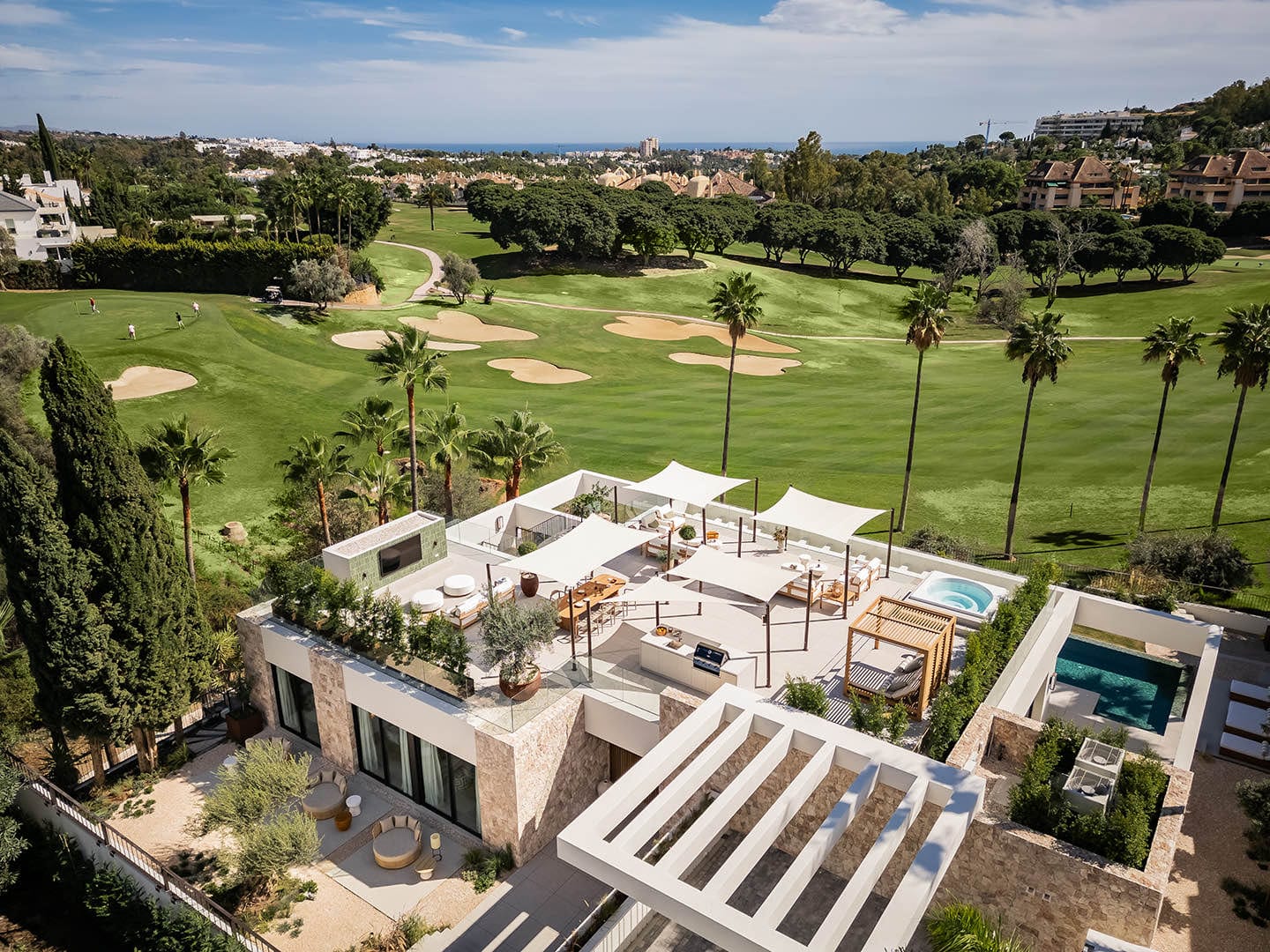
What the window actually rewards
The pre-summer window does not reward speed. It rewards preparation.
The buyer positioned to use it is the one who has already done the work: the brief is sharp, the zones are chosen, the financing or proof of funds is ready, and the read on the market is current — which properties have sat, which prices have moved, which mandates are under pressure as the season approaches. That buyer can act on the right property the moment it is correctly understood, from a position of market context rather than seasonal urgency.
This is the distinction that matters. The window is not an instruction to hurry. A market this thin in prime stock — supply constrained, prices forecast to rise 3.5% to 8% through 2026 — does not reward hurrying. It rewards being ready before everyone else arrives, so that when the right asset appears, the decision is already informed and the negotiation runs from knowledge rather than from the crowd.
The buyers who do well in Marbella are rarely the ones who moved fastest. They are the ones who were reading the market while everyone else was waiting for summer.